Deprecated
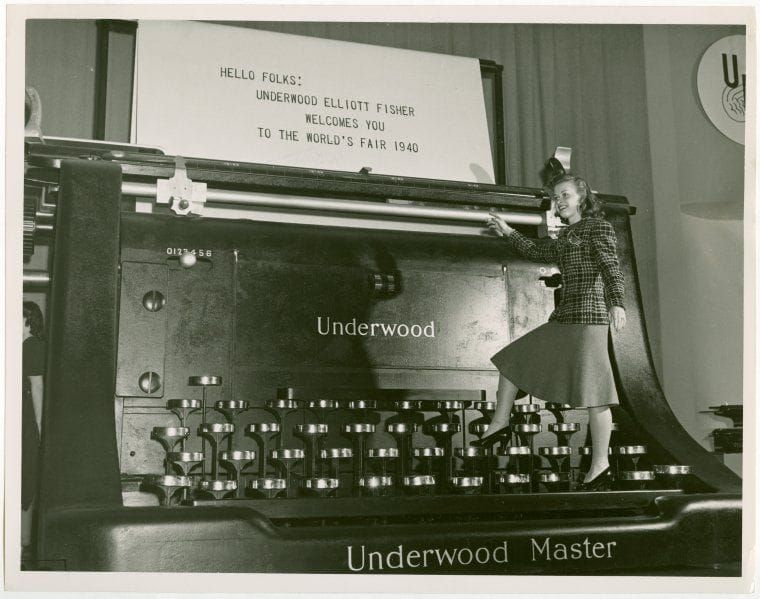
On obsolescence, a narrative cookbook, and my daughter's future.
New York Magazine’s recent article about how AI has come and conquered the knowledge class struck me hard, even though it's nowhere near the first to cover this topic. Since I first heard about the AI revolution when ghostwriting a book on the topic seven years ago, the notion that I could be practicing a superannuated profession has lurked at the back of my brain, but here on the glossy pages before me—yes, a physical magazine—professionals like writers, producers, and lawyers who were laid off or perpetually underemployed now found themselves gig workers for data firms, training AIs to do the work they once did by writing prompts, rating outputs—in short, feeding the machine that is replacing them.
Some people were lulled by LinkedIn ads promising decent hourly wages and plenty of work. After submitting to an interview with an amiable-enough AI chatbot, they were tossed into a massive Slack channel where they waited to grab tasks before someone else. The pay, it turns out, was much lower than advertised—some reported taking gigs below the minimum wage out of desperation—and the hours were worse. Required surveillance software meant to “ensure worker productivity” turned out to be (unsurprisingly) hugely demoralizing.
Several quit, several others felt they had no other options. Mass burnout would be meaningless because, at least until the bots acquire the human-level expertise for every possible skill, people with mouths to feed will be waiting to take those jobs.
I made the mistake of reading this right before bed, and as one of the cats drooled on my chest in utter contentment, I lay there haunted by visions of a bleak, very near, future. My thoughts turned to my daughter and how she’s reached a point now where we bounce ideas off one another like old colleagues. She sends me work, I critique, I send her work—I even sent her an early version of this. (Verdict: I didn’t know what to feel and the piece reflected that. She was right. This piece has gone through several revisions since then.)
My daughter’s an award-winning writer who enjoys the challenge of pushing into new territory, and, like any good writer worth her salt, is hardly ever satisfied with the end result. I wonder if this sense of rigor and curiosity will still matter. A friend–a fellow liberal arts major–regularly sends me TikToks of people with advanced degrees who become electricians or pipe fitters and don’t regret the switch for one second. But my kid lives to read and to write, a precarious path in any age, and one I fear will become more limited and cutthroat.
The article still gnawed at me, so, to hedge against further nocturnal disaster, I turned to a new book on an entirely different topic, Tanya Bush’s Will This Make You Happy: Stories & Recipes From a Year of Baking. Dubbed a narrative cookbook, it chronicles a pandemic year when, broke and depressed, Bush returns to her childhood love of baking, which eventually leads to a career as a pastry chef and founder of the James Beard-nominated Cake Zine.
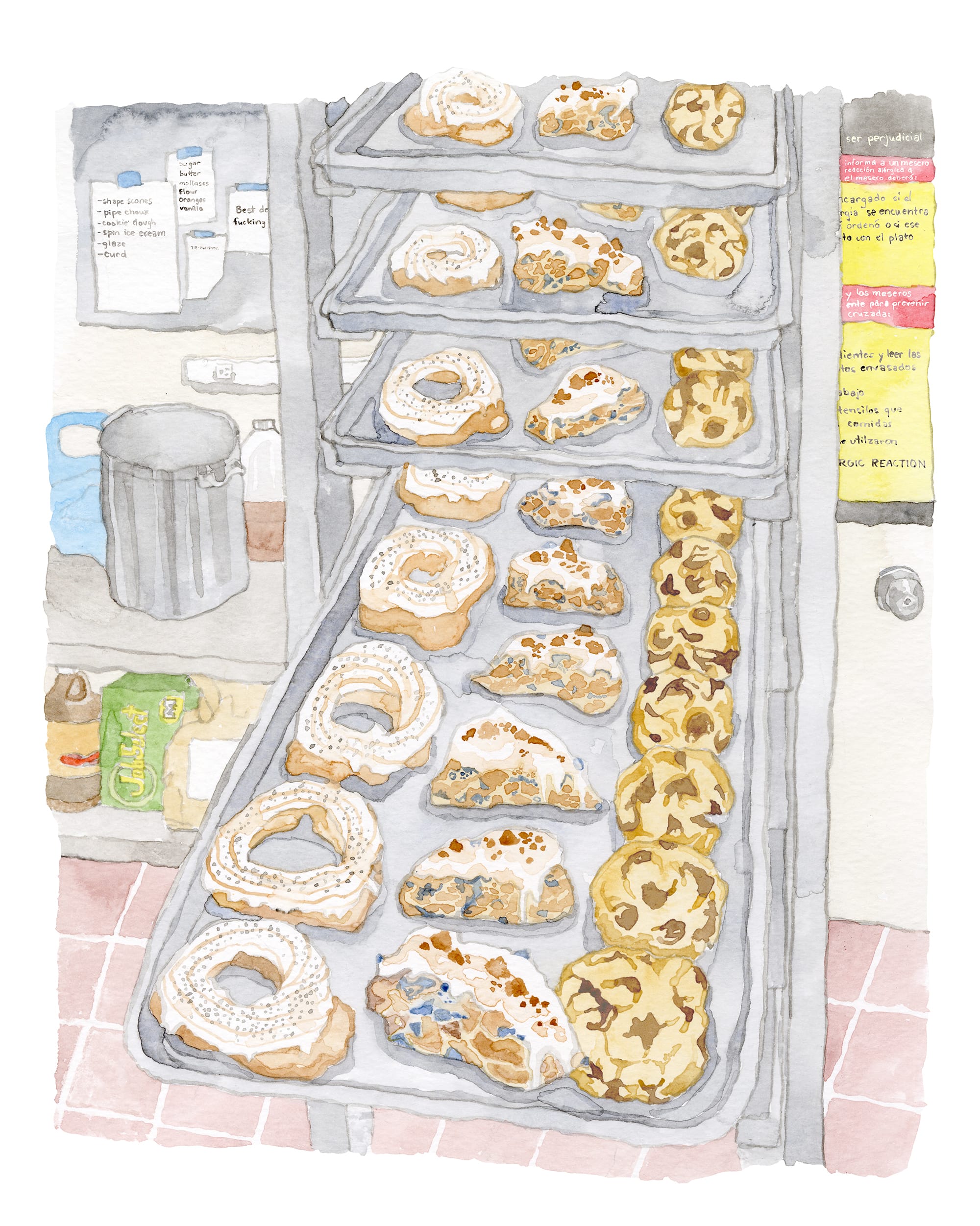
Reading this lush tome, which I inhaled in about two hours, failed to assuage my anxiety. In the chapter “Banana Bread” Bush is recovering from a first foray into the kitchen and another ruinous attempt at a job search. “A job is not the solution to everything,” offers a well-intentioned friend in medical school, but Bush was “raised to believe meaningful work was the fountain of happiness, and I’m parched.” I always thought meaningful work mattered, that authorship matters. Bush’s crisis is my crisis with different specifics. Bush bet on craft and elbow grease and won. I bet on ghostwriting and won. As I closed the book, I wasn’t sure whether what I had just read was proof that craft still matters or if it would simply be a relic of the pre-agentic human era. It was unsettling, and I remain unsettled by it.
I was writing this piece in Grammarly, and out of curiosity, I turned on the “Ask AI” feature to see what kind of feedback it might provide, specifically, on the pesky problem of transitioning from talking about AI world domination to a tender take on a memoir. "The piece leaves questions about actionable hope," it diagnosed. "What concrete steps can writers take to adapt or thrive in this new AI-driven landscape?" Of course it said that. More shocking would have been if it came back challenging my line of thought to go deeper rather than just uplift at any cost.
I want to believe humanity will adapt—we always have, haven’t we?—but the road to reinvention, should we choose to cross it, will be covered in burning hot coals, and we’ll be sprinting across it barefoot.
And then I think of my daughter again, and in particular, a line about perseverance she wrote in a recent essay: “Failure isn’t fatal. It’s instructive. Like slipping in the mud at mile 17, the moment we fall is what determines whether we stop, or continue to trek forward.” I'll keep holding on to this, even while I still decide if I believe it.
