I Read "The Norwegian Method." Here's What Actually Matters
On Blood, Vikings, and a few Lessons for Mortal Runners
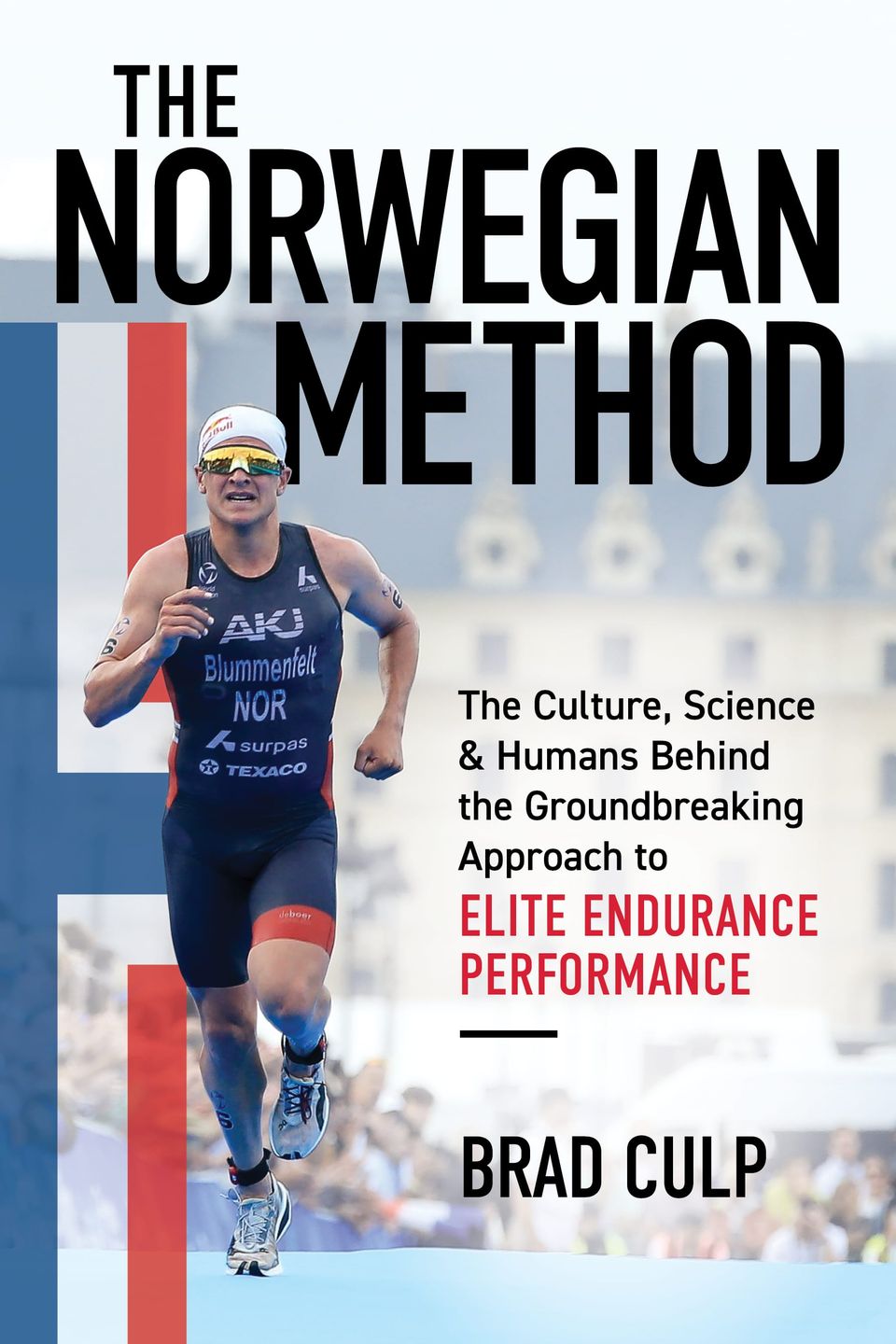
Training for any race is a test of discipline. I'm in the midst of a 5K cycle, aiming for an ambitious time goal without injuring myself. I am known to try just about anything short of strapping firecrackers to my feet to shave off a few seconds and am grateful that my coaches — Heather and Jason at Master my Run — prescribed a plan that this 44-year-old bag of bones can sustain. But that hasn't stopped me from looking further afield. And so it was with great anticipation that I launched into Brad Culp's The Norwegian Method: The Culture, Science, and Humans Behind the Groundbreaking Approach to Elite Endurance Performance ($21.99, 80/20 Books).
Culp dispels that fantasy early: “You cannot train like…the athletes featured in this book....it’s unlikely that you have the time, energy, or resources.” The protocol entails high mileage, plus two controlled lactate-threshold sessions in one day, along with regular blood lactate measurements. Incredibly demanding, not to mention invasive. Who wants to draw blood trackside? In spikes, those odds are already elevated. The Norwegian Method left me exhausted just reading it but not surprised. We already know these athletes are practically superhuman. The more useful revelation is how much their underlying philosophy — build a foundation, don’t overtrain, enjoy it— applies to anyone lacing up, whether you’re chasing an Ironman podium or a 5K PR.
Culp traces that philosophy to its roots. Today's champions, he argues, are genetically blessed with a legacy of rugged, active living a millennium in the making. Contemporary Norwegians encourage their kids to participate in a variety of sports, starting young and focusing on fun — and those who go on to specialize don't lose that early love of movement. This model produces champions without burning them out first. Contrast that with American youth sports, where overspecialization drives injuries and burnout is high. Further, kids on elite U.S. teams might be exceptional at one sport but lack the movement diversity that develops the whole body evenly. Norway's Olympic dominance across both Winter and Summer Games suggests they're onto something.
The profiles of the athletes who emerged from this system — Kristian Blummenfelt and Jakob Ingebrigtsen among them — are where the book frustrates. These are complicated people, and Ingebrigtsen's personal and family drama alone could fill its own book. The best moments are when Culp steps back and lets his subjects speak. His conversations with Blummenfelt and Ingrid Kristiansen — a world-record holder and, alongside Grete Waitz, one of Norway's greatest female distance runners — are the book's most compelling sections, a reminder of what the other profiles could have been. But several of the messy human details are sanded down in favor of a cleaner narrative of athletic greatness. Culp's frequent indulgence of hyperbolic prose ultimately diminishes the very achievements he's celebrating.
The science chapters fare better, grounding familiar concepts like altitude training and heat adaptation in useful historical context. But his most practical insight involves the taper — specifically, dispelling the myth that pre-race preparation should mean easing up on everything. That fallacy, Culp argues, migrated from competitive swimming, where a drastic taper lets the body adapt after months of overtraining. I remember it well from my own high school and college swimming: taper was glorious, a week of barely contained energy unleashed at championships. But it has rarely worked for me in running. Norwegian runners include a hard workout in the week before a race; they reduce volume, but not intensity. For those of us trained to mostly rest before a big effort, that's a genuinely useful reframe.
So, is The Norwegian Method worth reading if you’ll never race an Ironman? Yes, but not for the training plans (because there aren’t any). The book’s real value is its philosophy: build your base, respect recovery, and don’t forget why you started. The Norwegian Method didn’t change my training, and I’ll never prick my finger to check my blood lactate. But it explained why the approach my coaches already apply actually works and reminded me that at every level, the fundamentals are the same.