Questions to Ask a Ghostwriter Before Hiring
“I don’t really know what to ask you. I’ve never worked with a ghostwriter before.”
If I had a penny for every time I heard that during a ghostwriting consultation, I’d have…enough for a decent cup of coffee. And I would have earned it, because that question, more than any other, tells me a client is approaching this endeavor from the right direction.
Most people don’t work with ghostwriters on the daily, and it’s totally normal to feel out of one’s depth when conducting background interviews. Hiring a ghostwriter isn’t the same as hiring a gardener—this is more like interviewing candidates for a short-term marriage. It’ll be intense, with lots of emotions flying, and you want to make sure that whoever you choose will be there for you when the going gets tough.
How do you talk about pricing? Confidentiality? Process? How good is a sample if it’s going to sound nothing like you? These are the standard questions, but there are a few more you might want to have ready for when you sit across from your potential ghostwriter.
What do you know about my subject matter?
The answer tells you whether you're hiring a specialist or a generalist — and each comes with real trade-offs. Some ghostwriters specialize in subject matter or genre. Others are generalists. Working with a specialist means your ghostwriter may inadvertently give you his or her voice in print or may not identify places in the text where you should be clarifying to your readers. But if you’re writing to a subject-specific audience and don’t have time to get a generalist up to speed, a specialist may make the most sense. Generalists are more likely to approach a subject-specific project from the point of view that they’ve got to make your material readable and accessible to the general readership, which includes them. The more research required, the more a ghostwriter will charge, and that’s true for fiction or nonfiction.
When can you get started?
Availability varies widely — some ghostwriters can start in weeks, others are booked months out. Ghostwriters are always looking for the next project and sometimes may juggle multiple in various stages of development. Find out how many projects your ghostwriter has and when they could get started on yours. This is also the moment to share whether your project is time-sensitive, because if it is and it’s a match, your ghost will need to shuffle projects around to accommodate you.
How fast can you finish my project?
The answer reveals whether a ghostwriter can meet your deadline — and whether meeting it will cost you extra. This is a natural segue from the previous question if your project is time sensitive; for example, maybe you’ve pegged the publication of your book with an upcoming election. Or maybe Nana’s celebrating her 100th birthday in June and you want this book ready for gifting. You’ll want to know if your ghostwriter can have your manuscript ready for printing (a process in itself that can take up to a month). Some ghostwriters may charge a rush fee, especially if it means they’re going to put other in-process projects aside to complete yours.
Even if you’re not in a hurry, it’s worth knowing how long a ghostwriter will take to complete a project of a similar scope as yours. Every project is going to be different, and you can’t plan for the unexpected, but an experienced ghostwriter should be able to give you a reasonable timeframe for your manuscript.
How do you charge?
Ghostwriters typically charge one of two ways: a flat project fee, or an hourly rate with an optional cap. If a ghost works hourly, can you see their hourly work logs? Many ghostwriters will ask for a retainer before starting work. Knowing how a ghostwriter charges will help you put together a budget and determine whether you can afford to do this project with this ghostwriter. A good ghostwriter should be completely transparent about pricing. If there’s any hesitation about sharing this information, walk.
How much do you charge?
Knowing the rate structure isn't enough — you also need to know exactly what's included, because ghostwriters bundle their services very differently. This question goes hand in hand with the previous one. Some ghostwriters only write. Others will include a few rounds of revisions with supplemental edits costing more. Even others may charge an extra fee if you want your work formatted in a particular way. Make sure you know exactly what you’re paying for—and what you aren’t.
When do you get paid?
Payment terms determine what happens to your manuscript if things go sideways — so this question matters more than most people realize. If it's a fixed fee project, does the ghostwriter break payments up into deliverables? If your ghostwriter charges hourly do they bill monthly? What happens if you, the client, miss a payment? Some ghostwriters are more generous than others, but at some point, if you stop paying a ghostwriter, you may be forfeiting ownership of your work.
How do you communicate progress?
Communication style is one of the most common sources of friction in a ghostwriting relationship — and it's entirely preventable if you establish expectations upfront. Will your ghostwriter send out weekly progress reports or just ping you when there's a chapter ready for review? Also, be disclosive about what you’re looking for as a client—you may want more communication from your ghostwriter than they normally provide, but if that’s what you want, share that with your ghostwriter. Either they’ll be able to accommodate you or they won’t.
Do you offer any other services?
The answer tells you both what else is available and how stretched your ghostwriter might be. Some ghostwriters just write. Others offer editing, publishing, even coaching services. That could be great if you need those services, but if a ghostwriter is busy on different projects, it could pull concentration away from yours.
Where can I see some of your writing?
You're not looking for writing that sounds like you — you're looking for writing that proves they can write at all. A good ghostwriter will make sure that your work sounds like you. Which means that their previously published work will sound nothing like you. But that’s the point. What you’re looking for is whether the ghostwriter can actually write. And some ghostwriters are bound by strict confidentiality agreements and so write under their own bylines to make up for that.
If, after reading some samples, you still want the ghostwriter to write a fresh sample for you, do not ask them to do this for free. They will not do it. They may do it for a fee. If it’s really important to you, it’s worth asking.
How do you capture my voice?
This is the question that separates a ghostwriter from a writer for hire — and it's the one most people forget to ask. Voice capture is a process, not a talent, and a good ghostwriter should be able to walk you through exactly how they do it.
Most will start with a conversation — sometimes a series of them — where they listen more than they talk. They're not just gathering facts about your subject matter; they're cataloguing how you tell a story, which words you reach for, whether you're more comfortable with humor or gravity, how long your natural sentences run. Some ghostwriters supplement this with written samples you provide: emails, social media posts, old blog entries, anything in your voice.
What you're listening for is a process, not a promise. "I'll make it sound just like you" tells you nothing. "I'll spend the first two sessions just listening, then write a sample scene for you to react to before we go any further" tells you a great deal. Be wary of ghostwriters who are vague here — voice capture is the core of the work, and if they can't explain how they do it, that's a red flag.
What’s your confidentiality provision?
This question protects you in two directions: it keeps your ghostwriter from naming you as a client, and it clarifies whether they'll ask for any public credit. Does your ghost have a kiss-and-tell clause? Can the ghostwriter talk to other professionals on your behalf? Will the ghostwriter ask for collaborator credit? Some ghostwriters prefer to live completely in the shadows; others are more open. And you may not want a ghostwriter telling other prospective clients that you were once a client.
Can I see a sample contract?
A legitimate ghostwriter will always have a contract — and every commitment made in your conversation should be reflected in it. Everything your ghostwriter talked about during this Q&A should reappear in the contract. Read it very carefully, even share it with your attorney if you need to. Don’t be afraid to ask the ghostwriter to explain anything that seems confusing.
During the conversation, make mental notes of the following:
Is the ghostwriter comfortable? Are they fidgety? This doesn’t mean much—some ghostwriters got into this profession because they’re introverts—but there’s a difference between being shy and being shady.
Can the ghostwriter speak easily and fluidly about their process? Even a new ghostwriter should have a handle on what they do and how they do it.
Does the ghostwriter contradict previous statements? Big red flag. Consistency is key.
Is the ghostwriter interested in your project? This is important, because you’re going to be investing a lot of time and money into this relationship. If your ghostwriter seems like he or she would rather be elsewhere, let them go.
How does the ghostwriter make you feel when you’re talking? Do you feel on trial or at ease? This will be especially important when assessing for fit and if you’ll be generating material for the book from interviews. If you can’t stand talking to this person now, you’ll hate sitting for interviews with them.
The right ghostwriter is out there. Asking better questions — and knowing what good answers sound like — is how you find them.
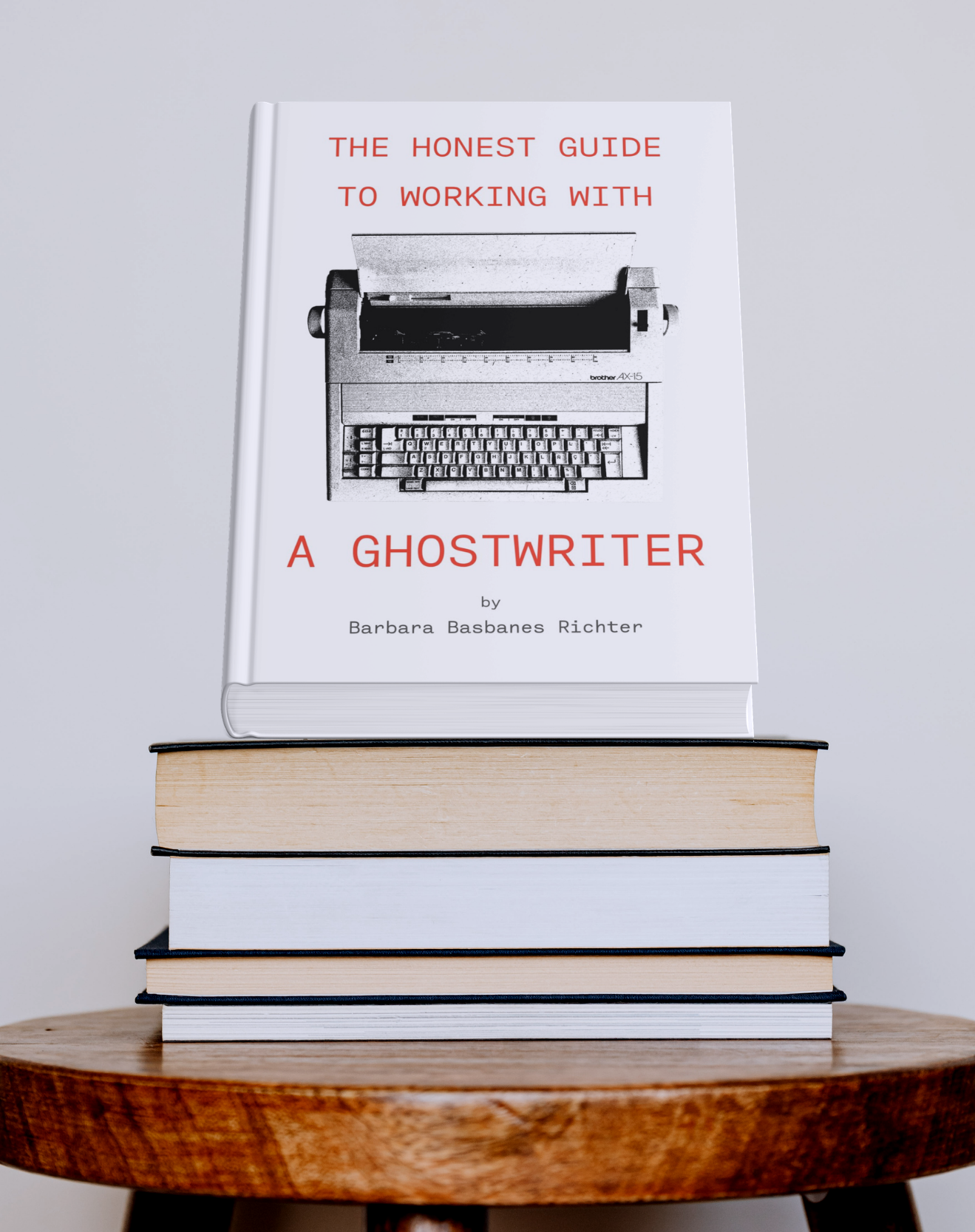
About the author: Barbara Basbanes Richter is a ghostwriter with twenty years of experience helping people tell their stories. She has been on the other side of every question in this list — which is exactly why she wrote it. If you're ready to go deeper, grab her free ebook, The Honest Guide to Working with a Ghostwriter here.
Keep reading: How to Hire a Ghostwriter